The Nalisa: A Stylish Display Font That Elevates Small Business Branding
Why The Nalisa Stands Out for Business Owners
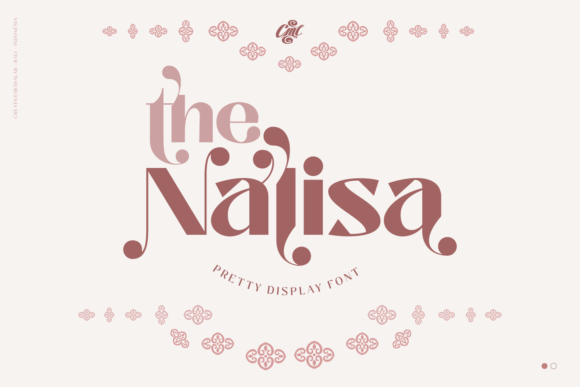
The Nalisa is more than just a display font — it’s a visual tool that small business owners can use to build a strong, cohesive brand identity. With its thick, bold lettering and modern aesthetic, this font makes a statement without overwhelming your audience. Whether you're designing a logo, packaging, or social media content, The Nalisa adds a touch of confidence and clarity that helps your brand stand out in a competitive market.
As a small business owner, you're often juggling design choices without the luxury of a full creative team. Choosing the right font like The Nalisa can simplify that process. It’s designed to be eye-catching yet readable, making it ideal for customer-facing materials where first impressions matter — from product labels to website banners.
How The Nalisa Enhances Real-World Brand Touchpoints
From the moment a customer sees your logo to the final unboxing experience, every visual element should reflect your brand consistently. The Nalisa is particularly effective in scenarios where boldness and clarity are key:
- Logo Design: A strong logo sets the tone for your brand. The Nalisa’s thick, confident lettering makes it a great choice for logos that need to feel premium and trustworthy.
- Packaging Design: Whether it's a candle label or a skincare product box, The Nalisa brings a modern, clean look that enhances the perceived value of your product.
- Social Media Graphics: In fast-scrolling feeds, your visuals need to grab attention. The Nalisa works well in Instagram stories, Pinterest pins, and Facebook ads where bold headlines are essential.
- Printed Materials: From business cards to flyers, this font ensures your print materials feel polished and professional, even on small budgets.
Using The Nalisa Across Different Branding Materials
One of the strengths of The Nalisa is its versatility. While it’s a display font best used for headlines and accents, it adapts well to a variety of branding needs:
- Product Labels: Especially for handmade or artisan products, The Nalisa adds a boutique feel that appeals to conscious consumers looking for quality and authenticity.
- Café Menus: Whether digital or printed, a menu with The Nalisa as the headline font feels modern and approachable — perfect for a trendy coffee shop or bakery.
- Thank-You Cards & Stickers: These small touches leave a lasting impression. Using The Nalisa in thank-you cards or packaging stickers reinforces your brand voice in a subtle but memorable way.
- Website Banners: As a web design element, The Nalisa can be used effectively in hero banners or call-to-action sections to guide visitors’ attention.
When to Use The Nalisa in Your Design Workflow
While The Nalisa is visually striking, it’s best used strategically. Here’s how to integrate it into your design process without overdoing it:
- As a Logo Font: Its strong visual presence makes it ideal for logotypes that need to feel bold and professional.
- Headline or Display Font: Use it for titles in social media posts, flyers, or digital ads where you want to draw attention quickly.
- Accent Typography: Pair it with simpler fonts to create contrast and visual hierarchy in your designs.
- Supporting Branding Element: Use it sparingly in packaging or digital assets to maintain consistency without cluttering the layout.
Readability Matters: How The Nalisa Performs in Real Business Settings
Even the most beautiful font isn’t useful if it’s hard to read. The Nalisa strikes a balance between style and legibility, especially in medium to large sizes. It’s particularly effective in settings where boldness helps with visibility:
- Small Labels: When used at a readable size, The Nalisa maintains clarity on product tags and packaging.
- Mobile Screens: Designed with modern screens in mind, it displays well on websites and apps without losing its crispness.
- Printed Packaging: Its thick letterforms reproduce well on matte or glossy surfaces, ensuring your brand looks sharp on physical products.
- Social Media Thumbnails: In small preview images, the font’s bold structure helps text stand out even before the post is clicked.
Testing The Nalisa Before Full Implementation
Before committing to The Nalisa across your brand, it’s wise to test it in different contexts. Try it out in a few mockups — for example, on a product label, a website banner, and a social media graphic. See how it looks in both color and black-and-white versions, and check how it reads on both desktop and mobile screens.
Also, consider how it aligns with your brand personality. The Nalisa works well for brands that want to feel modern, confident, and slightly edgy — think boutique fashion, wellness products, or artisan food brands. If your brand leans more classic or minimalist, you may want to pair it with a softer font or use it only for accents.
Pairing The Nalisa with Other Fonts
Font pairing is crucial for creating visual balance and hierarchy. Here are some effective combinations to consider:
- The Nalisa + Clean Sans Serif: Pairing a bold display font with a simple sans serif like Montserrat or Open Sans keeps your design modern and readable.
- The Nalisa + Elegant Serif: For a more traditional or luxury feel, use The Nalisa for headlines and a serif font like Playfair Display for supporting text.
- The Nalisa + Handwritten Script: If you want to add a personal touch — especially for handmade or creative businesses — use a script font for subheadings or accents.
This approach ensures that your design remains cohesive while still being dynamic and engaging across platforms.
Understanding Font Licensing for Business Use
Before using The Nalisa in your branding materials, especially for commercial products like packaging, merchandise, or digital templates, always check the font’s licensing terms. Most premium fonts come with a standard license that allows use in digital and print materials, but some restrictions may apply for resale or client work.
Make sure you understand whether the license covers web use, embedding in PDFs, or printing on products. If you're unsure, reach out to the font creator or vendor for clarification. This step helps protect your business from legal issues and ensures you’re using design assets responsibly.