Handmade Animation: A Playful Display Font for Modern Web Design
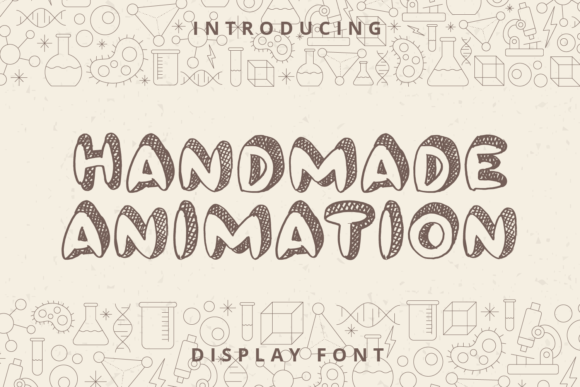
As a web designer, choosing the right font can make or break a digital project. Handmade Animation is a display font that stands out with its charming, handcrafted aesthetic. Designed for visual appeal and brand expression, it brings a sense of warmth and personality to digital interfaces. Whether you're building a landing page, designing a logo, or crafting a boutique online store, this font adds a layer of approachability without sacrificing professionalism.
Handmade Animation falls into the category of display fonts, which are typically used for short bursts of text rather than long-form content. Its rounded edges and slightly irregular baseline give it a whimsical, organic feel. The font works best when used for headlines, call-to-action buttons, and branding elements where visual impact is key. It's particularly effective in niches like children's products, creative agencies, and lifestyle brands that want to convey a sense of playfulness and authenticity.
Visual Hierarchy and Readability in Web Design
When integrating Handmade Animation into a website, it's important to consider visual hierarchy. This font shines in hero sections where large, bold text draws the eye. It’s ideal for headlines that need to stand out, especially when paired with a clean sans serif font for body text. The contrast between the decorative display font and a minimalist typeface creates a balanced layout that guides the user through the content.
On mobile screens, readability becomes even more critical. Handmade Animation maintains legibility at larger sizes, making it suitable for section headers and promotional banners. However, it’s best avoided for small buttons or long paragraphs on mobile devices. When used on dark backgrounds or image overlays, its thick strokes and open spacing help maintain contrast and clarity, ensuring the text remains readable even in dynamic layouts.
Brand Tone and Emotional Impact
Fonts are more than just letters—they shape how users feel about a brand. Handmade Animation has a friendly, slightly quirky personality that communicates creativity and sincerity. It’s a great choice for brands that want to appear approachable and human, especially in niches like handmade goods, personal coaching, or independent publishing. When used consistently across a website or digital product, it reinforces brand identity and builds recognition.
For logo design, Handmade Animation offers a modern alternative to overly stylized script fonts. Its slightly structured yet playful appearance makes it versatile for both digital and print applications. Whether you're designing a logo for a new podcast, a product landing page, or a small business website, this font adds character without veering into the overly casual territory.
Practical Use Cases in Digital Projects
One of the most effective applications of Handmade Animation is in creative portfolio websites. When showcasing artwork, photography, or design work, a font that feels handmade and expressive complements the visual content. It works well in hero sections, project titles, and even in captions that appear over images.
E-commerce sites, especially those selling handmade or artisanal products, also benefit from this font. Used in product banners, collection titles, or promotional pop-ups, it helps create a cohesive and inviting shopping experience. On course sales pages or coaching websites, it adds a touch of warmth to headlines, making the content feel more personal and engaging.
- Hero titles on landing pages
- Call-to-action buttons on conversion-focused layouts
- Logo text for creative brands
- Section headers in blog graphics
- Promotional banners on online stores
Font Pairing for Balanced Typography
In web design, pairing fonts is essential for readability and visual harmony. Handmade Animation pairs exceptionally well with simple sans serif fonts like Helvetica, Open Sans, or Lato. These typefaces provide a clean, modern contrast that keeps body text easy to read while allowing the display font to shine in headings and accents.
For editorial-style websites or content-heavy platforms, consider pairing it with a serif font like Georgia or Merriweather. This combination introduces a classic, sophisticated tone while maintaining the warmth of the display font in key areas. When choosing a font pairing, always test it across screen sizes and background colors to ensure consistency and legibility.
Technical Considerations for Web Use
Before implementing Handmade Animation on a live website, it's important to check the available styles and webfont formats. Most modern display fonts come with multiple weights and character sets, including support for international languages. Ensure the font includes both WOFF and WOFF2 formats for optimal performance and browser compatibility.
Some display fonts also offer alternate characters or ligatures, which can add visual interest when used sparingly. However, for web use, it's often best to stick to the standard character set to avoid rendering inconsistencies across devices. If the font includes multiple styles, use them strategically—bold for headlines, lighter weights for overlays or secondary text.
Licensing and Commercial Use
When selecting a font for client work, online stores, or digital templates, licensing is a crucial consideration. Handmade Animation is typically available under a commercial license, which allows use across websites, landing pages, and branding assets. Always verify the specific terms, especially if you're embedding the font in downloadable templates or using it for multiple client projects.
Some fonts require a separate license for web use, so it's wise to check if the package includes webfont access. Proper licensing ensures legal compliance and protects both designers and clients from potential issues down the line. If you're unsure about the usage rights, contact the font creator or vendor for clarification before deployment.